wine journalist & wine country photographer

Randy Caparoso is a full-time wine journalist living in Lodi, California. Since 1978 he has devoted his entire career managing, judging, speaking, producing, and writing about wine.
He currently serves as Editor-at-Large/Bottom Line Columnist for The SOMM Journal and Contributing Editor for The Tasting Panel Magazine; while writing the lodiwine.com blog and social media for the Lodi Winegrape Commission.
As a restaurant wine professional, Caparoso is best known as a Founding Partner of the Roy’s restaurant group, opening twenty-five of these James Beard Award winning, NRN Fine Dining Hall of Fame restaurants from Hawai’i to New York between 1988 and 2001. As Roy’s former Vice President and Corporate Wine Director, he was Santé magazine’s first “Wine & Spirits Professional of the Year” (1998), and was twice named Restaurant Wine’s “Wine Marketer of the Year (1993 & 1999). In 1992 David Rosengarten and Josh Wesson proclaimed Caparoso their Wine & Food Companion "Best Sommelier in the Hawaiian Islands."
 After retiring from Roy’s, Caparoso produced three vintages of his own wines as sole proprietor of Caparoso Wines LLC, an alternative label specializing in internationally sourced wines crafted specifically for contemporary cuisines and restaurant glass programs; and served in the hottest restaurants in twelve states, from Hawai’i to New York. In recent years Caparoso has consulted for restaurants and wine bars in Colorado, Florida and Tennessee; while also serving as Chef Sommelier of the Five Star/Five Diamond Sea Island resort in Georgia.
In 2008, 2006 and 2004 Caparoso served as the wine list judge for Santé's annual national Grand Awards. He has also repeatedly served as a professional wine judge (Sunset International Wine Competition, California State Fair, L.A. County Fair, New World Wine Competition, Mendocino Wine Competiton, Sonoma Harvest Fair, Oregon State Fair, and Denver International Wine Competition, among others), as well as a speaker/panel leader (Santé Restaurant Symposium, Society of Wine Educators, Hospice du Rhône, Aspen Wine & Food Festival, Unified Wine & Grape Symposium, Sommelier Summit, Lodi ZinFest, and others).
Between 1981 and 2004 Caparoso bylined biweekly wine columns for his hometown newspaper, The Honolulu Advertiser. In 1997 Caparoso was commended by the Academy of Wine Communications for Excellence in Wine Writing and Encouragement of Higher Industry Standards. Many more of his thoughts on food and wine can be gleaned on his home page, Culinary Wine & Food Adventures, as well as on Robin Garr’s Wine Lover’s Page.
Last but certainly not least, Caparoso earned an Advanced Certificate in the Court of Master Sommeliers (1988), has qualified as a finalist in the Institute of Masters of Wine (1992), and is now an Electoral College Member of the annual Vintners Hall of Fame at The Culinary Institute of America, Greystone.
As a restaurant wine professional, Caparoso is best known as a Founding Partner of the Roy’s restaurant group, opening twenty-five of these James Beard Award winning, NRN Fine Dining Hall of Fame restaurants from Hawai’i to New York between 1988 and 2001. As Roy’s former Vice President and Corporate Wine Director, he was Santé magazine’s first “Wine & Spirits Professional of the Year” (1998), and was twice named Restaurant Wine’s “Wine Marketer of the Year (1993 & 1999). In 1992 David Rosengarten and Josh Wesson proclaimed Caparoso their Wine & Food Companion "Best Sommelier in the Hawaiian Islands."
 After retiring from Roy’s, Caparoso produced three vintages of his own wines as sole proprietor of Caparoso Wines LLC, an alternative label specializing in internationally sourced wines crafted specifically for contemporary cuisines and restaurant glass programs; and served in the hottest restaurants in twelve states, from Hawai’i to New York. In recent years Caparoso has consulted for restaurants and wine bars in Colorado, Florida and Tennessee; while also serving as Chef Sommelier of the Five Star/Five Diamond Sea Island resort in Georgia.
 In 2008, 2006 and 2004 Caparoso served as the wine list judge for Santé's annual national Grand Awards. He has also repeatedly served as a professional wine judge (Sunset International Wine Competition, California State Fair, L.A. County Fair, New World Wine Competition, Mendocino Wine Competiton, Sonoma Harvest Fair, Oregon State Fair, and Denver International Wine Competition, among others), as well as a speaker/panel leader (Santé Restaurant Symposium, Society of Wine Educators, Hospice du Rhône, Aspen Wine & Food Festival, Unified Wine & Grape Symposium, Sommelier Summit, Lodi ZinFest, and others).
Between 1981 and 2004 Caparoso bylined biweekly wine columns for his hometown newspaper, The Honolulu Advertiser. In 1997 Caparoso was commended by the Academy of Wine Communications for Excellence in Wine Writing and Encouragement of Higher Industry Standards. Many more of his thoughts on food and wine can be gleaned on his home page, Culinary Wine & Food Adventures, as well as on Robin Garr’s Wine Lover’s Page.
Last but certainly not least, Caparoso earned an Advanced Certificate in the Court of Master Sommeliers (1988), has qualified as a finalist in the Institute of Masters of Wine (1992), and is now an Electoral College Member of the annual Vintners Hall of Fame at The Culinary Institute of America, Greystone.
contact randy caparoso

my google profile
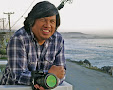
- Randy Caparoso:
- "I fought against the bottle," as Leonard Cohen wrote, "but I had to do it drunk." Randy Caparoso is a full-time wine journalist/photographer living in Lodi, California, and the author of "Lodi! The Definitive Guide and History of America's Largest Winegrowing Region" (2021). In another life, he was a multi-award winning restaurateur, starting as a sommelier in Honolulu (1978 through 1988), and then as Founding Partner/VP/Corporate Wine Director of the James Beard Award winning Roy’s family of restaurants (1988-2001), opening 28 locations from Hawaii to New York. Accolades include Santé’s first Wine & Spirits Professional of the Year (1998) and Restaurant Wine’s Wine Marketer of the Year (1992 and 1998). Between 2001 and 2006, he operated the Caparoso Wines label as a wine producer. For over 20 years, he also bylined a biweekly wine column for The Honolulu Advertiser (1981-2002). He currently puts bread (and wine) on the table as Editor-at-Large and the Bottom Line columnist for The SOMM Journal, and spend most of his time as freelance blogger and social media director for Lodi Winegrape Commission (lodiwine.com).